
Redefining DISpersal potential for adequate fruit fly PEST management (Diptera: Tephritidae) – Second Phase (DISPEST_2) builds on and strengthens the research initiated under DISPEST (2019–2023) by expanding its scientific scope, geographical coverage, and applied relevance to plant health and agricultural trade in East and Southern Africa.
Within this broader research and capacity-building framework, fruit flies represent a priority pest group due to their widespread impacts on horticultural production, trade, and livelihoods across East and Southern Africa. Fruit flies cause significant damage to fruits and fruit vegetables of high nutritional and economic importance globally, including in Tanzania. Several fruit fly species occurring in Tanzania are quarantine pests in export-oriented horticultural production. In particular, species belonging to the genera Ceratitis, Dacus, and Zeugodacus pose serious threats to horticultural productivity, market access, and farmer livelihoods.
One of the most effective approaches to preventing fruit fly infestation and mitigating trade restrictions is the establishment of Pest Free Areas (PFAs) and Areas of Low Pest Prevalence (ALPPs), in accordance with international phytosanitary standards. The establishment and maintenance of these areas depend on a sound understanding of where pest populations occur, why they are present, and which environmental and biological variables drive their dispersal into cultivated areas. Such knowledge is essential for designing targeted, cost-effective control strategies that minimise economic losses while reducing environmental impacts.
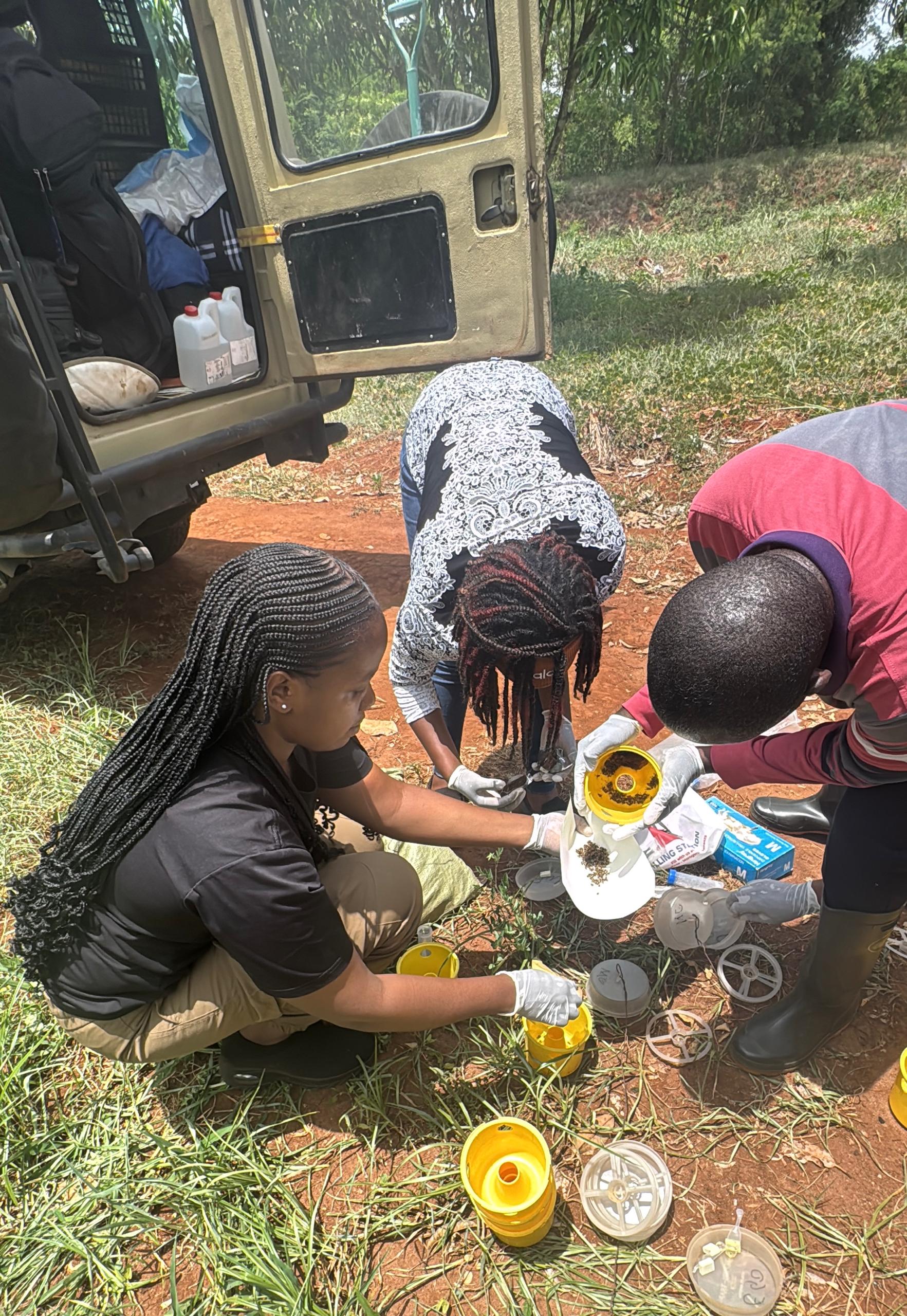
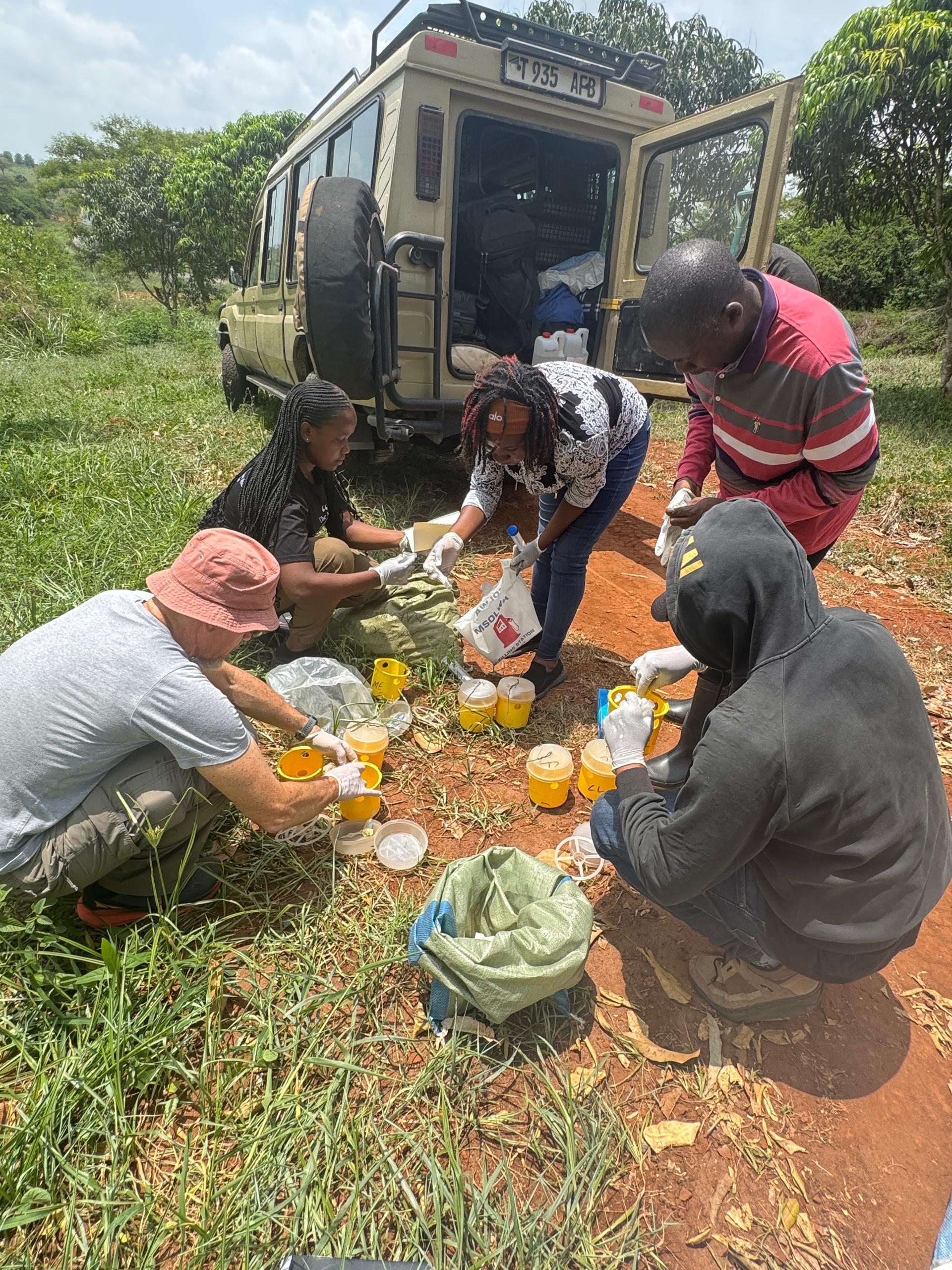
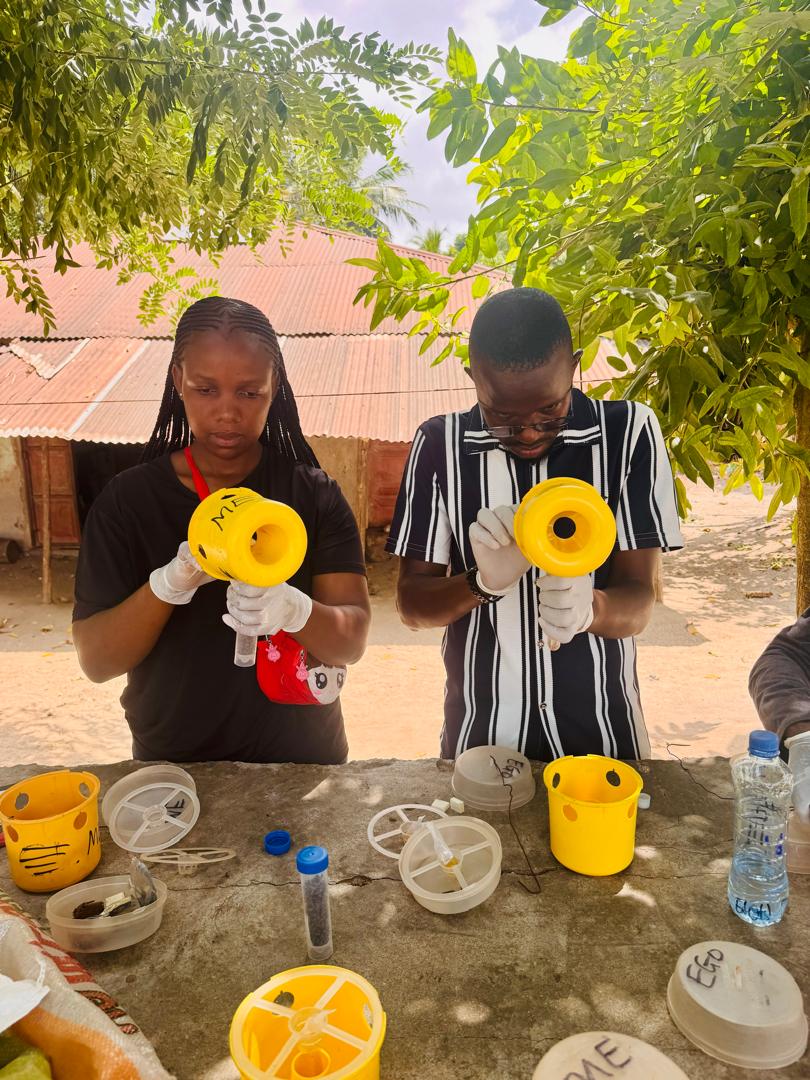
Within this framework, DISPEST_2 explicitly integrates postgraduate training as a core component of its research and capacity-building strategy. The project provides a structured platform for MSc and PhD training, enabling postgraduate students to engage directly in field surveys, data generation, ecological modelling, and climate-related analyses of fruit fly dispersal and population dynamics. This approach ensures that advanced training is tightly linked to ongoing research, policy-relevant outputs, and real-world phytosanitary challenges.
To achieve its objectives, DISPEST_2 builds on extensive field data generated through two large-scale fruit fly survey transects conducted across Tanzania, extending to key international border areas.
The first survey, conducted in January 2025, covered northern and western Tanzania, stretching from Arusha (Namanga border with Kenya) through Manyara, Singida, Tabora, and Geita, and further into Kagera, including Mutukula (border with Uganda), Rusumo (border with Rwanda), and Kabanga (border with Burundi). This survey also encompassed Mwanza Region, including the Ukerewe Islands, and Kilimanjaro Region, extending to Tarakea (border with Kenya).

The second survey, conducted between January and February 2026, focused on eastern and coastal Tanzania, extending from Morogoro through Tanga Region, including the East Usambara Mountains (Magoroto area) and Horohoro (border with Kenya), continuing through Saadani National Park, the Coast Region (Bagamoyo), and Zanzibar.
The spatially extensive data generated from these surveys, integrated with ecological modelling and climate-related analyses, provide a robust evidence base for understanding fruit fly distribution and dispersal patterns across agroecological zones and transboundary landscapes. This evidence directly supports the operationalisation of PFAs and ALPPs, strengthens phytosanitary decision-making, and facilitates national and international trade in agricultural products. Ultimately, DISPEST_2 contributes to increased agricultural income, improved food security, and broader societal benefits through environmentally sustainable pest management, while simultaneously building high-level human capacity in ecological modelling, pest risk analysis, and climate-smart agriculture.