Dar es Salaam, Tanzania — Sokoine University of Agriculture (SUA) strengthened its international reputation for leadership and collaboration by co-hosting the 10th Agriculture, Nutrition and Health (ANH) Academy Week 2025, a major global forum on food systems, climate, and public health. The event took place from 16–26 June 2025 at the Julius Nyerere International Convention Centre, drawing more than 1,500 participants from over 60 countries to exchange knowledge and strengthen research partnerships that advance global well-being.
The conference was officially opened by Hon. Dr Doto Biteko, Deputy Prime Minister of the United Republic of Tanzania, and attended by members of the UK Parliament and the House of Lords, signifying broad international engagement and support.
Deputy Prime Minister Dr Doto Biteko officiates the opening of the 10th ANH Academy Week at the Julius Nyerere International Convention Centre in Dar es Salaam.
The 10th ANH Conference, as part of event was officially opened on 23rd June 2025 by Hon. Dr Doto Biteko, Deputy Prime Minister and Minister of Energy of the United Republic of Tanzania, and attended by Prof. Daniel Mushi, Deputy Permanent Secretary for Science, Technology, and Higher Education at the Ministry of Education, Science and Technology and members of the UK Parliament and the House of Lords, signifying broad international engagement and support.
Building Global Partnerships in Agriculture, Nutrition, and Health
SUA led Tanzania’s hosting efforts through its Department of Human Nutrition and Consumer Sciences, supported by the Office of the Vice Chancellor, Professor Raphael Chibunda, and the Deputy Vice Chancellor (Academic, Research and Consultancy), Professor Maulid Mwatawala.
Professor Joyce Kinabo co-chaired the ANH Academy Scientific Committee alongside Professor Jeff Waage of the London School of Hygiene & Tropical Medicine, while Dr Hadijah Mbwana, Head of SUA’s Department of Human Nutrition and Consumer Sciences, served as technical coordinator. Their involvement demonstrated SUA’s growing capacity to engage with global policy, research, and development communities.
SUA also chaired the Tanzanian Advisory Committee for the event, ensuring that conference content, logistics, and stakeholder participation reflected national priorities in agriculture, nutrition, and health. The University played a key role in mobilising partners, supporting government participation, and coordinating student volunteers—strengthening Tanzania’s ownership of this internationally recognised platform.
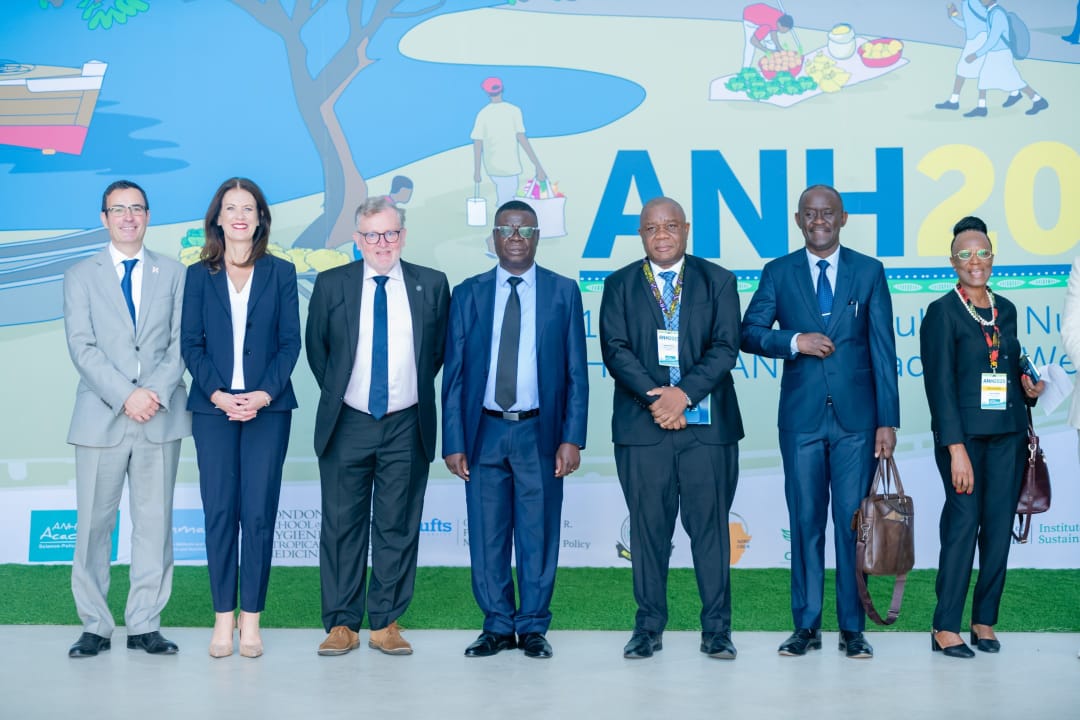
SUA leadership and partners from LSHTM and other global institutions at the ANH Academy Week 2025.
Advancing research, policy, and practice.
The ten-day programme featured 23 Learning Labs, high-level plenaries, thematic presentations, poster sessions, and side events addressing topics such as sustainable diets, climate adaptation, food equity, and policy innovation.
For Tanzania, the conference provided a national platform to highlight progress in reducing malnutrition, improving food security, and promoting evidence-based policy. The event also positioned local researchers and institutions at the forefront of international discussions on integrated food systems and public health.
SUA’s academic staff and postgraduate students participated actively through presentations, co-facilitation, and exhibitions that showcased innovative approaches to nutrition-sensitive agriculture, food safety, and climate resilience. Their contributions reflected the University’s commitment to excellence in teaching, research, and community engagement.
SUA postgraduate students share research on nutrition-sensitive agriculture and food safety during the ANH Academy Week 2025.
A continuing commitment to global collaboration.
The successful hosting of the ANH Academy Week 2025 illustrated Tanzania’s readiness to contribute to global dialogue and innovation in food systems, health, and climate. It also reaffirmed SUA’s role as a hub of knowledge, partnership, and scientific leadership dedicated to improving lives and promoting sustainable development.
Through such collaborations, SUA continues to build research capacity, foster international cooperation, and turn academic insight into tangible impact—helping shape a healthier, more equitable, and sustainable world.